HomeProductsApplicationsServicesQualityAboutKnowledgeContact

Material Family

Alumina Coating, Additive & Mesoporous Materials

High-purity alumina powders for ceramic coating, cathode-additive evaluation, filler systems, and high-surface-area morphology studies.

Five published Winigen grades

The WAL family separates coating, cathode-evaluation, and mesoporous starting grades while retaining a consistent Winigen naming structure.

  • WAL-P05 coating powder
  • WAL-A07 cathode-additive evaluation powder
  • WAL-M300 and WAL-M400 high-BET mesoporous alumina
  • WAL-M07 fine mesoporous alumina

Grade-code note: M300 and M400 identify high-surface-area mesoporous grade families, while M07 identifies the fine-particle mesoporous grade. Final selection should use the complete specification rather than the code alone.
Published Grades

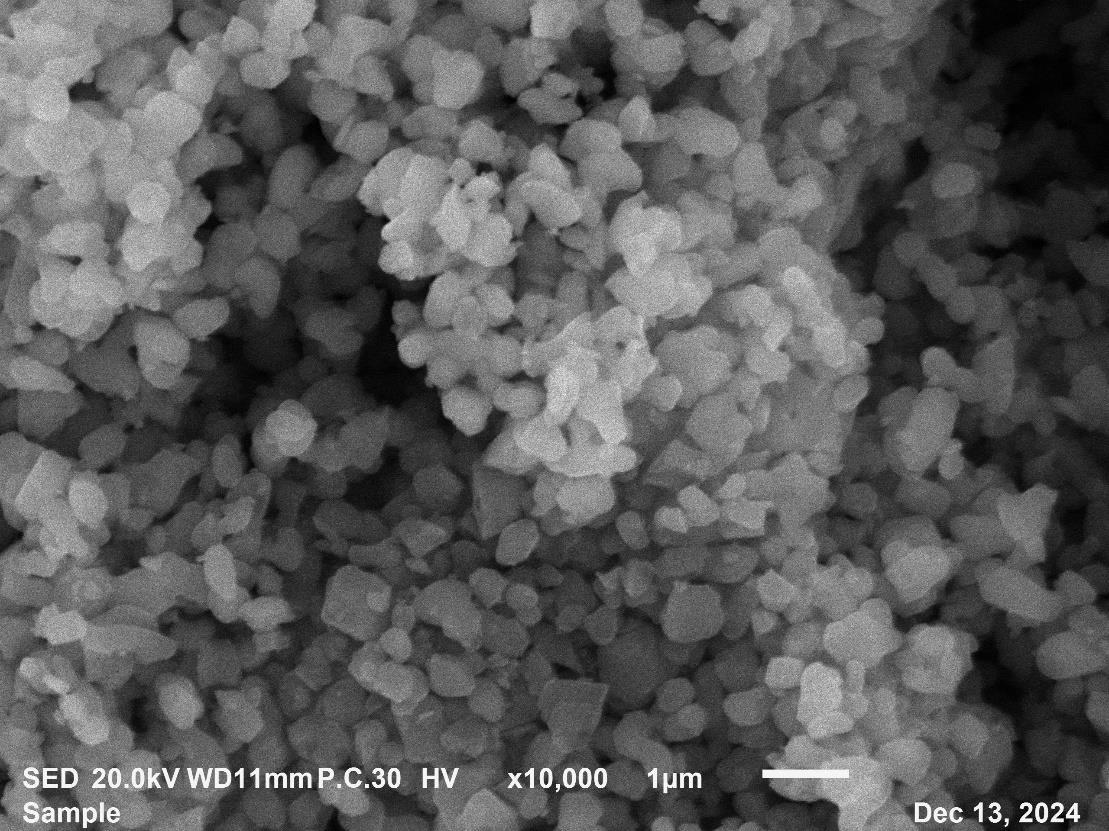
Alumina products with SEM reference images

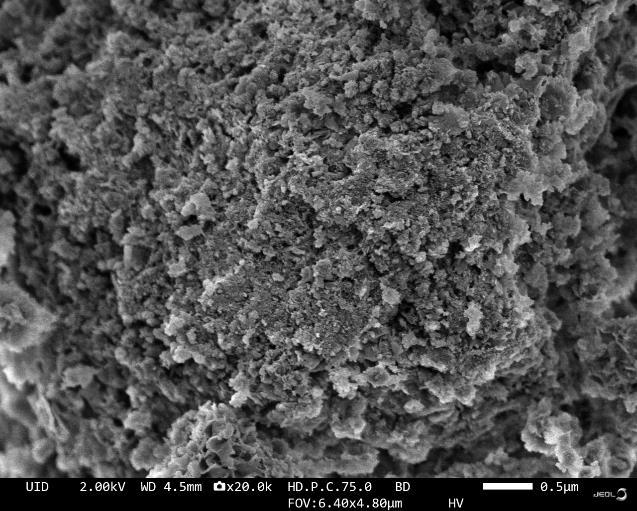
SEM for WAL-P05

WAL-P05

Fine coating powder, D50 0.4-0.6 um, BET 5-9 m2/g.

View product
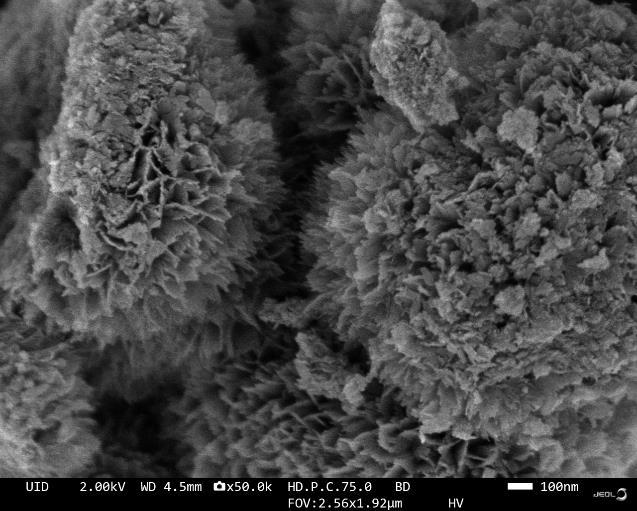
SEM for WAL-A07

WAL-A07

Fine alumina for cathode-additive evaluation, D50 0.4-0.8 um.

View product
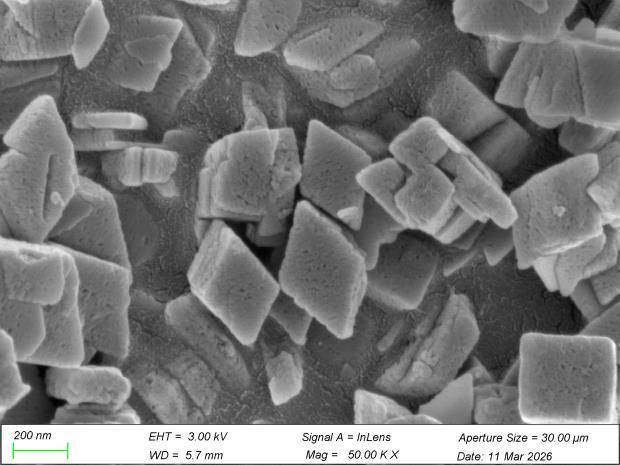
SEM for WAL-M300

WAL-M300

Mesoporous alumina, BET 150-300 m2/g, pore volume 0.4-0.6 cm3/g.

View product
SEM for WAL-M400

WAL-M400

Very-high-BET mesoporous alumina, BET 250-400 m2/g.

View product
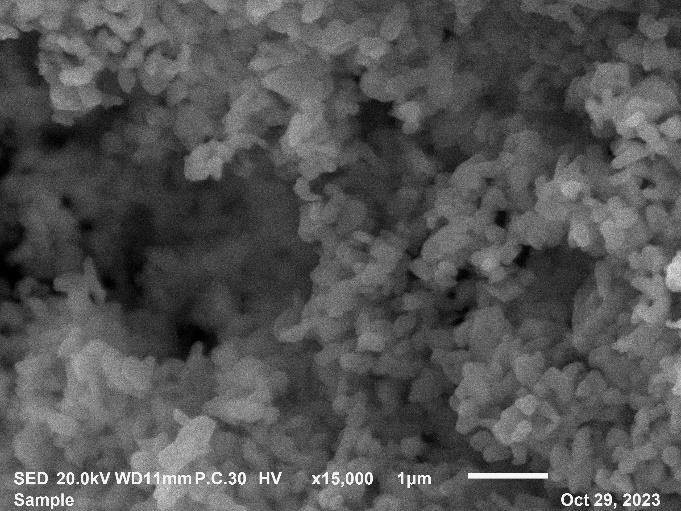
SEM for WAL-M07

WAL-M07

Fine mesoporous alumina, D50 0.5-1.0 um, BET 20-50 m2/g.

View product

Selection Guide

Suggested starting grades

Development objectiveSuggested starting grade
Separator ceramic-coating slurryWAL-P05
Electrode surface or edge coatingWAL-P05
Cathode bulk-additive screeningWAL-A07
High-surface-area ceramic additive, interface, or porous-coating studiesWAL-M300 or WAL-M400
Fine mesoporous ceramic studiesWAL-M07
Custom morphology or low-alpha gradeTechnical inquiry
Final production qualificationLot-specific and process-specific validation

Mesoporous grade comparison

GradeChoose when...
WAL-M07Fine particle size and moderate BET are preferred.
WAL-M300High BET is needed without the maximum oil absorption of WAL-M400.
WAL-M400Maximum surface area and pore volume are the primary screening variables.

Formulation note: Increasing surface area may increase binder demand, solvent demand, moisture sensitivity, and formulation viscosity.

Grade distinction: Product names identify recommended evaluation routes, not guaranteed functional outcomes. Final selection should use lot documentation and process-specific testing.